


Protective Factor #1
Setting Realistic Goals to Pursue
Setting realistic goals assists in managing mental health in classes by ensuring that students are not locked in by overly challenging or unattainable goals. This ensures that when goals are set, you will not feel consistently pressured or anxious about failure.
This protective factor fosters a focus on your own progress as opposed to comparisons. By setting your own personal goals based on their own strengths and situation, a sense of confidence is developed because of your hard work and enhanced performance.
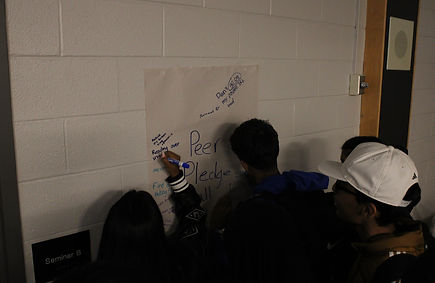

Realistic goal-setting also helps respond calmly to setbacks. Setting flexible goals ensures that setbacks or mistakes are regarded as an integral part of growth and are not taken as a point of personal defeat, thus reducing stress.
Gradually, you can develop confidence because they feel they can achieve success even without becoming perfect. This is because learning becomes attainable, and students remain motivated and balanced even in tough moments.

Protective Factor #2
Practicing Gratitude & Positivity Towards Yourself


Practicing gratitude reduces mental stress by turning the attention away from unrelenting self-criticisms. Consciously noticing efforts, progress, or small accomplishments lessens emotional burden while lessening the hold of destructive thought patterns.
This mindset supports confidence by recognizing your strengths, not just your weaknesses. Through positive self-reflection, students to view themselves more in balance and helps to counter low self-esteem and doubt.
Self-positivity is also important in developing resilience. Instead of judging harshly when confronting difficulties, it is easier to respond in a nonjudgmental and understanding manner, making it less likely to feel anxious and emotionally drained. This is because gratitude leads to this mindset. Through self-efficacy, this protective factor makes you less dependent on external sources of validation and feel more secure in your abilities and selves.

Protective Factor #3
Creating & Following Healthy Habits
Healthy habits decrease stress in the mind because they instill structure and predictability in living. Routines allow you to cope with school, tasks, and personal time without becoming overwhelmed.
Such practices help build confidence through enhanced focus, organization, and levels of energy. By feeling well-prepared and balanced, the likelihood increases to take on challenges with clarity and confidence rather than with hesitation.

Healthy habits will also work to prevent burnout by encouraging productivity and rest; ensuring you stay motivated without becoming emotionally burned out. These habits develop a sound basis for mental wellness, enabling you to feel resourceful, stable, and confident when dealing with academic and/or personal difficulties.

Protective Factor #4
Finding & Doing Hobbies You Enjoy

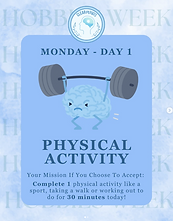

Hobbies act as a way of relieving mental stress by offering a outlet away from the academic pressure and social expectations. Enjoying certain hobbies gives the chance to give yourself a mental reset and recharge.
Involvement in any hobby enhances self-confidence by enabling you to identify your passions and strengths that are not necessarily reflected based off your grades.
Hobbies support emotional regulation through creativity or physical activities. These activities will decrease tension, enhance mood, and prevent an overload of emotions. By taking time for enjoyment, you can achieve a better balance, be more resilient, and maintain long-term mental well-being.

Protective Factor #5
Surround Yourself With Loved Ones
Supportive relations help to reduce mental strains by creating an emotionally secure environment. This sense of being in touch with someone helps to cope with pressures in a way that feels less isolated and alone.
Having trusted people to talk to allows others to express emotions openly rather than keeping stress internalized. This not only relieves anxiety but also enhances stress coping.

Social support also builds confidence through encouragement and perspective. Knowing that others care and understand is an excellent way of building a sense of belonging and self-esteem. As time progresses, continuous connectivity builds up your emotional resilience, which yields more secure and confident feelings when facing challenges.