


Risk Factor #1
ACADEMIC STRESS
Academic stress is a significant risk factor for youth mental health, particularly when pressure related to grades, tests, and performance becomes relatively consistent. A certain level of stress may serve as a motivating factor, but long-term academic stress will sour confidence and overall well-being.
When students are habitually held to the highest expectations, they come to relate self-worth to academic performances. This makes students feel discouraged over setbacks, fearing to make mistakes, and ultimately avoid challenges in general. Consequently, after some time, a strain at academics will lead to anxiety, burnout, low self-esteem, and an eventual loss of belief in one's capabilities.



This stress can manifest itself under test anxiety, perfectionism, external pressures, and burnout. Even with these, you can become overwhelmed and lack support, which can mold inability to grow in academics and as people as well. Because confidence is essential for educational development, unmanaged academic stress becomes a serious risk factor that can impact both present mental health and future success.
To target this risk factor, ClearMinds introduced content and initiatives that aimed to instill confidence during high-pressured academic periods such as exams and summatives. In our short-form reel, we conveyed a realistic instance of an academic setback and how support helped to regain confidence, while initiatives such as Mind Reset Wall offered continuous support to instill confidence in students.

Risk Factor #2
FEAR OF JUDGEMENT


One of the major risk factors concerning youth mental health is the fear of judgment, as constant concern about how others perceive you can strongly affect confidence and emotional well-being. Sometimes students begin worry too much about other people’s opinions, making everyday interactions stressful.
Fear of being judged may trigger self-doubts, which may cause questioning of your own choices, becoming apprehensive when given opportunities to grow. This apprehension may contribute to increased vulnerability in participation avoidance, expression, and social interactions due to feelings of being judged.
Commonly expressing itself in terms of social anxiety and isolation; withdrawal from peers or social activities can cut down on feelings of connection and support, making loneliness and feelings of isolation more and more prevalent. As confidence decreases, fear of judgement can create a cycle where students hold themselves back, limiting both personal growth and mental well-being.
In regards to this risk factor, ClearMinds utilizes posts and short-reels to highlight the misconceptions behind judgement. Using scenarios that features experiences that peers can relate to, we encourage students to question negative assumptions, reduce overthinking, and feel more comfortable being themselves.

Risk Factor #3
ISOLATION
Isolation can also be considered one of the greatest risk factors, as not socializing during difficult times can have a great impact on confidence levels and emotional well-being. As students keep their thoughts stored and talk negatively about themselves, feelings of loneliness and isolation can pervade their minds and hearts.
Isolation can also lead to higher levels of anxiety and depressive emotions, as a lack of social support can make challenges seem more difficult to handle. Over a period of time, the student can lose his/her motivational levels and become unable to trust him/herself and her abilities.


This risk factor can also have an effect on the academic and social development of the student. Lack of contact may result in poor communicative skills and difficulty concentrating in class. It may even become overwhelming to work in partnership with others. Further seclusion may start to occur as the student withdraws even deeper.
Social isolation is not merely a feeling of loneliness, but a lack of social connection that has been shown to pose health risks comparable to smoking 15 cigarettes a day [U.S Surgeon General Advisory].

Risk Factor #4
PERFECTIONISM
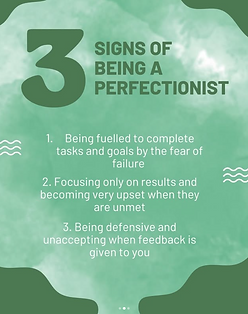

Perfectionism becomes a risk factor when the drive towards perfection overpowers the need for growth. A perfectionistic drive towards improvement that is fueled by fear of failure rather than actual progress, making students feel the need to tackle low-stakes assignments with an intense emotional toll.
Instead of rewarding efforts, perfectionism tends to keep people focused on the end result. Unmet expectations easily lead to feelings of frustration and disappointment, and these emotions swiftly translate into attacks on the self and a erosion of confidence. Such a pattern of thinking and feeling eventually breeds stress, anxiety, and a pervasive feeling of “never good enough.”
With a focus on trying to be perfect, confidence might be silently but seriously hindered by the idea of the impossibility of mistake-making. The way in which our solution works on this problem is by helping the students think about the impact of such expectations on their minds and attitudes towards efforts and improvements.



Risk Factor #5
COMPARISON CULTURE
Comparison culture is our last risk factor; beginning when one begins to base one’s self-worth on comparisons with others. With the advent of social media, one’s success, appearance, and life get highlighted extensively; therefore, students may start assessing their self-worth based on how they compare with others.
Rather than an awareness of personal change, comparison culture promotes an awareness of what others appear to have. Standards may be drawn through the comparison of grades, social acceptance, perceptions of the body, or the life situations and experiences of others. In these ways, the potential for feelings of inadequacy may be created, even if the individual is successful.

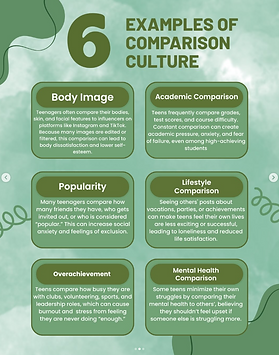
Comparison culture may also lead to a misinterpretation in how others perceive achievement and their own mental health. They may see the "highlights" posted on social media and begin to feel excluded, like they are somehow left out and not deserving of any help. Through comparison culture, some may even trivialize their own challenges by thinking others have it worse.

Risk Factor #6
OVER-RELIANCE ON VALIDATION


Being dependent on likes or praise as a source of feeling “good enough” might cause emotions to go up and down. This creates an unstable confidence level when self-esteem is overly dependent on other people, hence why as our final risk factor, is over-reliance on validation.
Instead of relying on your own judgment, you might start to wonder about the value of every decision you make. This kind of reliance might cultivate indecision, people-pleasing, and an aversion to sharing their true thoughts and opinions. Therefore, people might start experiencing anxiety issues due to the validation they receive from the validation-seeker.
Validation now becomes easily chased but difficult to let go of in an electronic environment where feedback is immediate and can be publicly broadcast. For assurance that persists and emotions stable, learning to separate self-esteem from outside approval is important.